Weather damage usually does not begin with a dramatic failure. More often, it starts with a loose edge, a weak seal, a section of flashing that no longer sheds water as it should, or drainage that slows just enough to let moisture linger. That is why so many homeowners start researching roofing services salt lake city after a season of heavy rain, wind, heat, or snow. They are not just looking for a quick fix. They want practical solutions that protect the structure before minor issues spread into insulation, decking, ceilings, and walls.
The most requested services tend to have one thing in common. They address the parts of a home that take the hardest hit when conditions turn rough. Homeowners ask for repairs, inspections, stronger materials, better drainage, and ventilation improvements because these measures actually reduce repeat damage. Instead of treating weather exposure like a single event, the smarter approach is to look at how the whole exterior system performs over time.
Targeted Roof Repairs
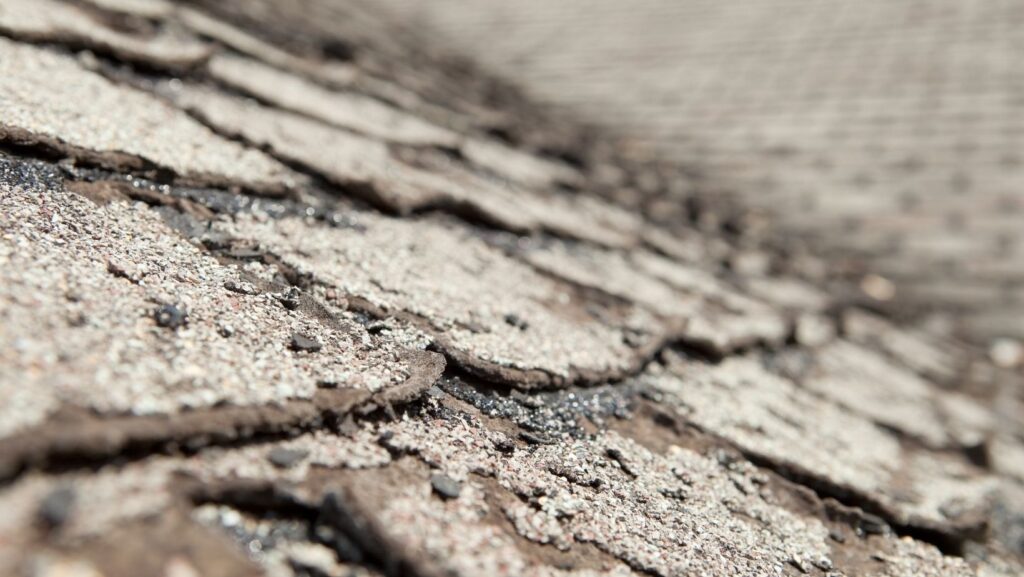
One of the most common requests is a focused repair rather than a full replacement. This usually happens when the damage is limited to one area but is still serious enough to let water in. Loose shingles, cracked sealant, exposed fasteners, failed vent boots, and separated flashing are all examples of problems that can lead to larger damage if left alone.
A good repair should solve the cause of the issue, not just hide the symptom. A stain on a ceiling may trace back to flashing near a penetration, rather than to the area directly above the stain. Water often travels before it becomes visible indoors. That is why homeowners benefit from repairs based on careful inspection instead of assumptions.
When done at the right time, targeted repairs can preserve the rest of the system and delay the need for major work. This is especially true when the surrounding materials are still solid.
Full Roof Replacement When Repairs No Longer Make Sense
Another highly requested solution is replacement after repeated weather exposure has worn the roof past the point of cost effective repair. Homeowners usually reach this stage after dealing with recurring leaks, widespread shingle damage, repeated patch jobs, or signs that moisture has already affected the layers beneath the surface.
Replacement is not simply about installing new shingles. It gives contractors the chance to inspect the decking, replace compromised wood, update the underlayment, improve flashing details, and correct ventilation problems that may have been shortening the roof’s lifespan for years. In many cases, homeowners request a replacement because they are tired of reacting to each storm and want a more dependable system.
This kind of project also opens the door to better material choices. If the old roof wore down quickly under harsh weather, homeowners often ask for options that can hold up better the next time conditions turn severe.
Preventive Inspections
Inspections are among the most practical services homeowners request, especially after a season marked by wind, snow, or heavy rain. The reason is simple. Exterior damage is often easiest to fix when it is still small.
A thorough inspection can reveal cracked sealant, lifted edges, soft decking, worn flashing, blocked drainage paths, and early signs of water intrusion that have not yet shown up inside the living space. Homeowners also request inspections before buying a house, after a major storm, or when the roof has reached an age where hidden wear becomes more likely.
The value of an inspection is not just in finding visible damage. It is in identifying the conditions that allow future damage to happen. That kind of information helps homeowners make decisions while the repair is still manageable.
Gutter and Drainage Corrections
Many homeowners ask for gutter work after discovering that roof protection is only as good as the drainage system supporting it. If water cannot drain off the roof efficiently, it sits longer than it should, backs up near the edges, and increases the risk of rot around the fascia, soffits, and sheathing.
Clogged gutters, loose fasteners, poor slope, and overflow near discharge points are all warning signs. These issues may look minor from the ground, but they can create ongoing moisture exposure that slowly damages surrounding materials. Water that repeatedly spills in the wrong direction can also affect siding, trim, and the foundation perimeter.
For that reason, drainage corrections are often one of the most requested weather protection solutions. Homeowners want water moved away from the home quickly and consistently, not just during ideal conditions but also during heavy runoff.
Flashing and Seal Failure Repairs
Flashing is one of the most overlooked parts of the roof, yet it is one of the first areas to fail under weather stress. Homeowners often call for help after leaks develop around chimneys, skylights, vents, or wall intersections. In many of these cases, the field shingles are not the main problem. The weakness is in the metal or sealant details that direct water away from openings.
Temperature shifts, moisture, sun exposure, and aging materials can all cause flashing systems to separate or lose effectiveness. Once that happens, water can enter around some of the most vulnerable points on the roof.
This is why experienced contractors pay close attention to transitions and penetrations. Homeowners who request lasting weather protection are often better served by precise flashing repairs than by surface level patching.
Ventilation Improvements
Ventilation is another service homeowners increasingly request when trying to prevent weather related damage. Poor airflow can trap heat and moisture in the attic, which affects both comfort and roof performance.
In colder conditions, uneven roof temperatures can contribute to ice formation and moisture problems. In hotter conditions, trapped heat can accelerate shingle aging and make materials more brittle over time. Ventilation problems can also leave insulation damp and reduce overall energy efficiency.
Because of that, many homeowners now ask contractors to evaluate airflow as part of any major roofing project. A roof that looks fine from the outside may still be under stress if the system below it cannot regulate heat and moisture properly.
Material Upgrades for Better Durability
Some homeowners are not dealing with obvious damage yet. They are planning and asking which materials are better suited to repeated exposure to the weather. This often includes stronger shingles, upgraded underlayment, and components designed to resist moisture intrusion and wind lift more effectively.
The second mention of roofing services salt lake city often comes from homeowners in this exact position. They want more than an emergency response. They want solutions that reduce maintenance demands and improve long term reliability.
The right material choice depends on the age of the home, the roof’s current condition, and how much wear the exterior has already taken. The best recommendations usually come from a contractor willing to explain tradeoffs clearly rather than push a one size fits all answer.
Why the Most Requested Solutions Tend to Work
The most requested services are not popular by accident. They are the ones that address the real weak points in a home’s exterior system. Repairs stop active entry points. Replacement resets failing systems. Inspections catch damage early. Drainage corrections move water away. Flashing repairs protect transitions. Ventilation improvements reduce hidden stress. Material upgrades help the home handle future exposure with less risk.
Homeowners do not need vague advice when weather damage is the concern. They need careful evaluation and work that matches the actual condition of the structure. When that happens, the home is in a much better position to withstand whatever the next season brings.