
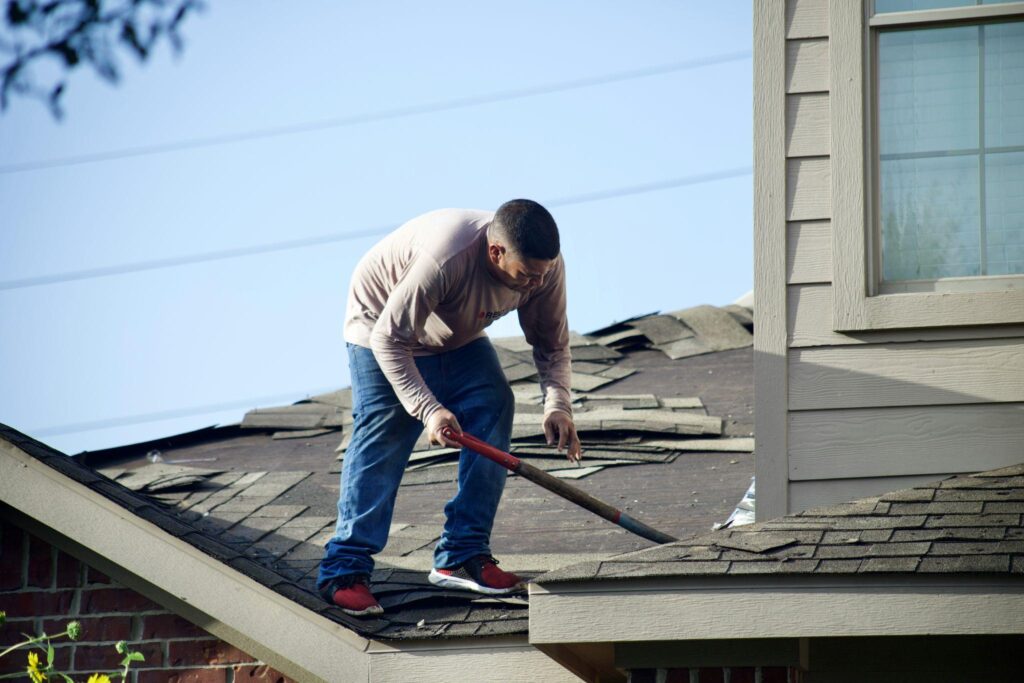
Want to protect one of the most valuable assets on any property?
Property managers excel at juggling tenant complaints, lease renewals and maintenance of buildings. One thing they never seem to have mastered is …
The roof.
And that’s bad. Because by the time something appears wrong on the inside, excessive damage has already been accruing for weeks – if not months.
What’s Covered In This Guide:
- Why Preventive Roof Maintenance Matters More Than You Think
- The Seasonal Maintenance Schedule to Follow
- What to Check on Every Inspection
- How to Work With the Right Professionals
Why Preventive Roof Maintenance Matters More Than You Think
Here’s the hard truth…
Being reactive (waiting until you see water leaking through your ceiling before you act) is the most costly habit you can have as a property manager. The statistics prove it. Firestone and Prologis conducted a 15 year study which concluded that roofs that are proactively maintained performed 21 percent better compared to roofs that are only maintained when there is a problem and lasted an average of 21 years versus 13 years. Nearly 10 extra years of life just for being proactive.
The financial argument is equally compelling. For just one 25,000-square-foot commercial roof, proactive care can save owners upwards of $236,750 over the roof’s lifetime – or over $11,000 annually. That’s not even including the expenses associated with water damage, business interruption and emergency services. To avoid these hidden costs, savvy property managers use a Kansas City contractor checklist to vet their roofing partners during the initial bidding phase.
Roof issues tend to escalate quickly as well. A cracked piece of flashing, a blocked drain, a misaligned shingle — today’s small repair can be tomorrow’s structural damage.
That’s never cheap.
If you’re a property manager for commercial buildings or multi-unit residential buildings, your best bet for avoiding expensive surprises is to work with a trusted Albany Roofing Contractor for both professional roof installation as well as return maintenance visits. Professional roof installation done right also allows your whole roof maintenance program to hit the ground running — identifying issues, documenting them, and fixing them is a lot easier when your system was installed correctly from day one.
Pretty straightforward, right?
The Seasonal Maintenance Schedule to Follow
Year-round is the best frequency for preventative roofing maintenance. Twice a year is not enough, but twice a year is the bare minimum.
Here’s how to break it down by season.
Spring Inspection
Winter doesn’t play nice with roofs. Once the weather breaks you’ll know.
Spring inspections should cover:
- Shingle condition — look for cracking, curling, or missing sections
- Flashing around chimneys, vents, and skylights
- Gutter and downspout clearing after winter debris buildup
- Signs of ice dam damage along edges and soffits
- Pooling areas on flat or low-slope roofs
Inspection season is at its peak right now. Whatever happened during winter now becomes visible.
Summer Maintenance
Summer: Repair & Preventative Treatments Summer is the perfect time to repair items and do preventative treatments. After having spring problems identified:
- Complete all repairs identified during the spring inspection
- Apply protective coatings and sealants to block UV damage
- Trim overhanging branches that can scrape or puncture roofing material
- Check ventilation systems to prevent dangerous heat buildup in the attic space
You don’t want to miss this step. UV damage and heat are a slow and steady death for most roofing materials. Several hours of mitigation during the summer can save you from catastrophic failure during the winter. Properties with roofs older than 20 years are said to be 3x more likely to submit a wind or hail claim — preventing materials from getting too far gone is essential.
Fall Inspection
Fall is the second required season to conduct an inspection. This ensures the roof is prepared for winter before it gets cold.
Fall inspections should cover:
- Clearing all debris — leaves especially trap moisture and accelerate rot
- Checking seals around all penetrations and flashings
- Re-inspecting any repairs completed over summer
- Full gutter cleaning ahead of winter ice
- Confirming drainage is completely unobstructed
This is also a great opportunity to take pictures of every section of your roof and make notes in your maintenance log. Documenting your roof’s condition – and repairs – is extremely helpful when it comes to budgeting for roof repairs in the future and maintaining manufacturer warranties.
Winter Monitoring
Active inspections during winter aren’t always practical or safe. But monitoring is still essential.
Watch for:
- Ice dam formation along the roofline
- Sagging gutters from snow and ice weight
- Interior moisture signs — ceiling stains, wet insulation, musty odors
- Any visible structural shifts after heavy snow loads
Should a major storm come through, schedule a post-storm inspection ASAP. Don’t hope it won’t be necessary.
What to Check on Every Inspection
Roof inspections should include the same items year round. These are musts for any property:
- Surface materials: Cracks, tears, blistering, granule loss on shingles
- Flashing: All metal flashing checked for rust, lifting, or separation
- Drainage systems: Gutters, downspouts, and roof drains must be clear and flowing freely
- Penetrations: Around every pipe, vent, HVAC unit, and skylight
- Edges and perimeter: Metal edging should be fully secured with no wind uplift
- Structural integrity: Soft spots, sagging, or signs of deck deterioration underneath
They’re not complicated checks. But they do need to occur routinely – and be documented each time.
How to Work With the Right Professionals
Here’s something a lot of property managers get wrong…
They think any contractor that’s licensed to roof knows what they’re doing when it comes to preventive roof maintenance. Wrong. If preventive roofing maintenance is going to have any payoff, then the contractor must:
- Have direct experience with the specific roofing system type on the property
- Provide detailed written reports after every inspection visit
- Flag issues in order of urgency — not just a vague “looks okay”
- Be available for post-storm emergency inspections when needed
A good roofing contractor is a long-term partner — not a one-time fix.
Don’t forget what poor beginnings create either. Approximately 33% of homeowners install a new roof because of leak problems. Many leaks stem directly from improper installation years ago or postponed maintenance. Paying attention to the foundation is important. Almost 31% of homeowners have completed at least one roofing maintenance project in the last three years. Awareness is improving – but it isn’t consistent enough for most people.
Having a maintenance log from day one eliminates so much guess work. Every inspection, repair, coating application, and contractor visit is recorded. Everyone is held accountable and your budget forecasting is extremely accurate.
That’s A Wrap On Preventive Roofing Maintenance
A preventive roofing maintenance schedule isn’t complicated. But it absolutely requires consistency.
Here’s the quick summary of what needs to happen:
- Spring and fall inspections are non-negotiable
- Summer is the repair and treatment window
- Winter means monitoring — not ignoring
- Every single inspection gets documented
- Work with professionals who know the system they’re inspecting
The roof keeps everything inside the building safe: Tenants, inventory, equipment and the building itself. It should have a plan, not just attention when problems arise.
Property managers who invest in preventative roofing maintenance programs year-round don’t have emergency callouts, water damage claims, tenant complaints or surprise capital expenditures that wreak havoc on any annual budget.
Match a professional roof installation with a regular maintenance program and you’ll have a system that works as it should have from day one.