
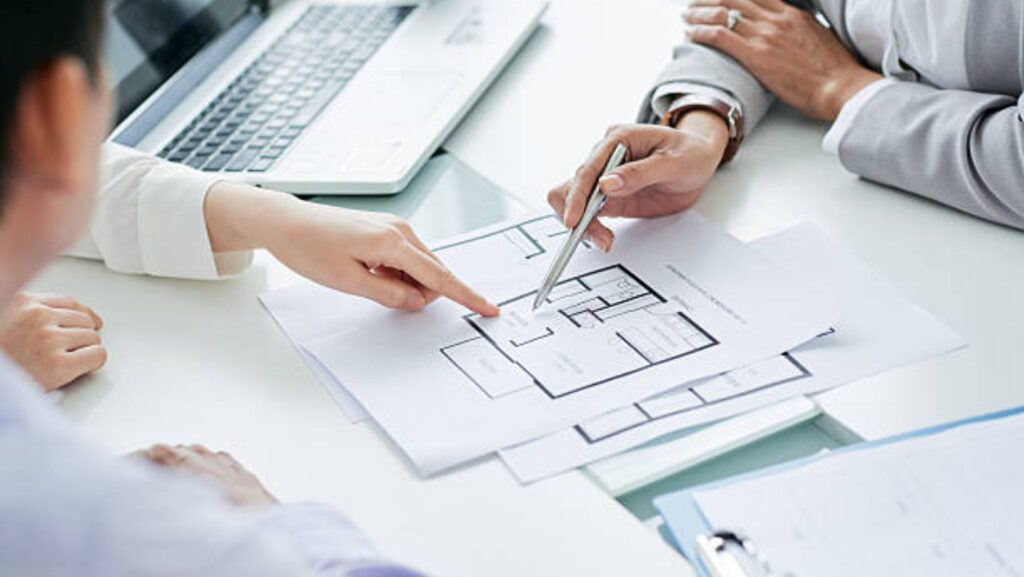
Are last-minute site problems pushing budgets off track and slowing progress when work should already be moving forward?
In many projects, the real issue is not the site itself. It is the planning process that failed to catch small risks before they became expensive setbacks.
Why Property Planning Is Shifting
Property planning is becoming more precise, more connected, and far more practical. Teams now rely on better data, earlier coordination, and clearer visual review so that problems can be addressed before labor, materials, and timelines are affected.
Early model coordination helps teams reduce miscommunication, improve clash detection, and cut rework, while accurate site surveys support budgeting, compliance checks, and informed design decisions from the start.
1. Early Site Verification
One of the biggest changes is the move away from assumptions. In the past, teams often began planning from old drawings, partial notes, or incomplete field updates. As a result, layout conflicts, utility surprises, and access issues showed up later, when fixing them cost far more.
Now, project teams are placing more value on verified site data at the beginning. Accurate measurements, utility checks, and condition reviews create a stronger base for every next step. That matters because reliable site information reduces planning errors, supports cost control, and helps teams spot risks before construction starts.
2. Model-Based Coordination
Another major shift is the use of shared digital models instead of isolated drawing sets. When architects, engineers, planners, and contractors review separate information, small conflicts can sit unnoticed until crews arrive on-site. Then, one hidden clash can trigger delays across several trades.
That is why more teams are using 3d bim modeling services during planning. A coordinated model allows teams to review structure, systems, and layout in one place. This approach supports collaboration, reveals clashes early, and improves cost forecasting, which helps reduce sudden field changes and avoidable rework.
3. Practical Risk Reviews
Property planning is also changing because risk reviews are happening earlier and with more discipline. Instead of waiting for a problem report from the field, teams are asking smarter questions before work begins. Can materials reach the space? Are there hidden drainage concerns? Will access routes affect equipment movement?
This kind of planning is simple, but it is highly effective. When teams walk through possible obstacles in advance, they can protect schedules and make cleaner decisions. In turn, fewer emergency changes are needed later. That creates a calmer process for everyone involved, from project managers to site crews.
4. Cost Planning Tied To Real Conditions
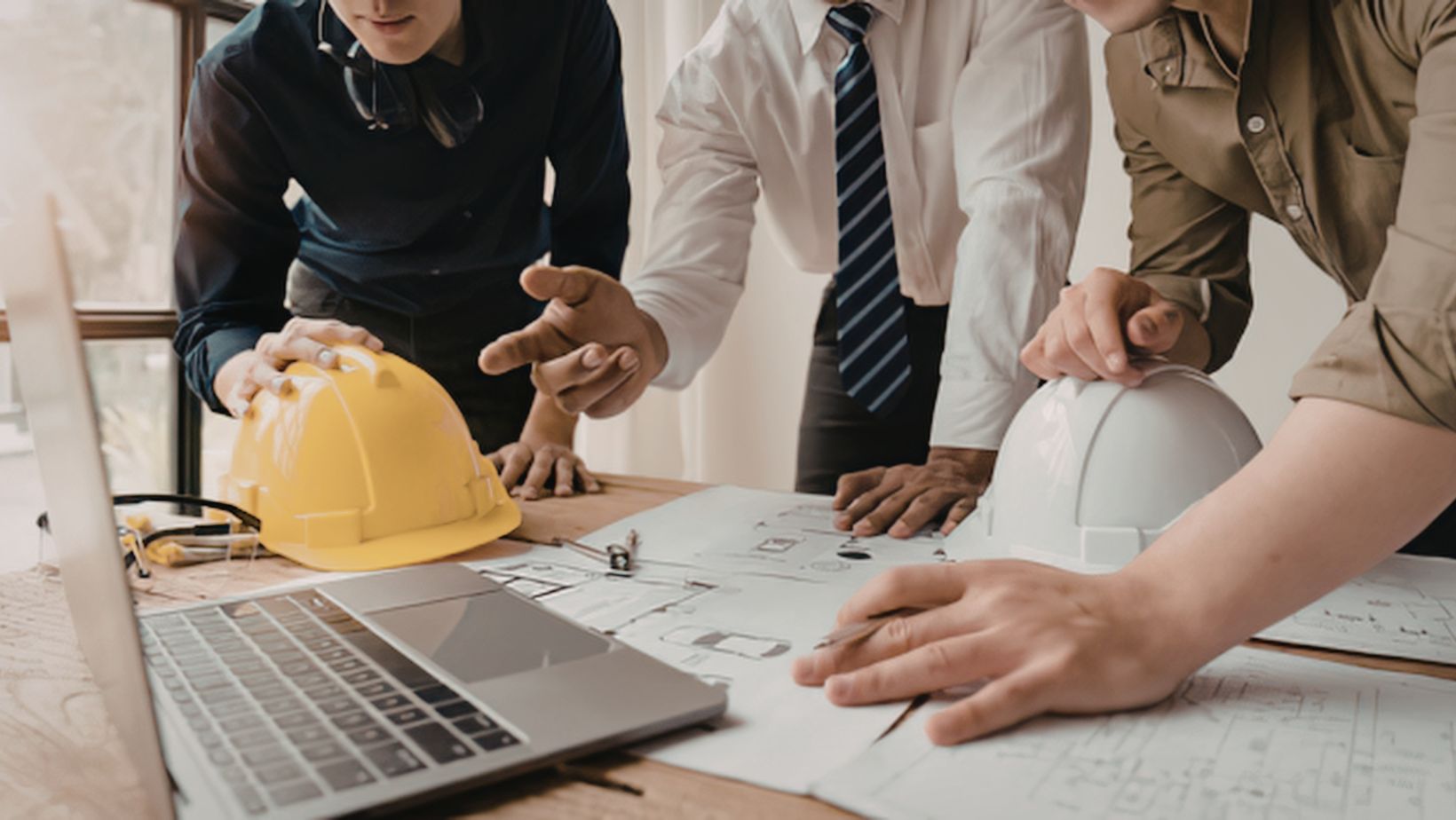
A strong estimate is no longer based only on scope. It is increasingly tied to actual site conditions and buildability. That shift matters because cost surprises often come from things that were technically visible, but not fully reviewed. A narrow access point, an uneven surface, or an overlooked service connection can quickly add labor hours and change orders.
Current planning methods connect pricing decisions to verified conditions much earlier. Therefore, budgets are becoming more realistic instead of overly optimistic. This does not remove every unknown, but it does improve control. A realistic budget creates confidence, and confidence leads to stronger decisions throughout the project.
5. Stronger Communication Before Work Starts
The final change is cultural as much as technical. Better property planning now depends on early communication, not just technical output. Teams are sharing information sooner, using BIM, reviewing assumptions together, and confirming responsibilities before work begins.
This is important because many on-site surprises are not caused by one major failure. They come from several small gaps between people, documents, and timing. Clear pre-start coordination closes those gaps. As a result, teams can move from planning to execution with fewer misunderstandings and a much better chance of staying on time and on budget.
Final Thoughts
Costly on-site surprises rarely appear out of nowhere. In most cases, they grow from missing details, weak coordination, or rushed decisions made too early. The good news is that property planning is improving in ways that directly address those weak points.