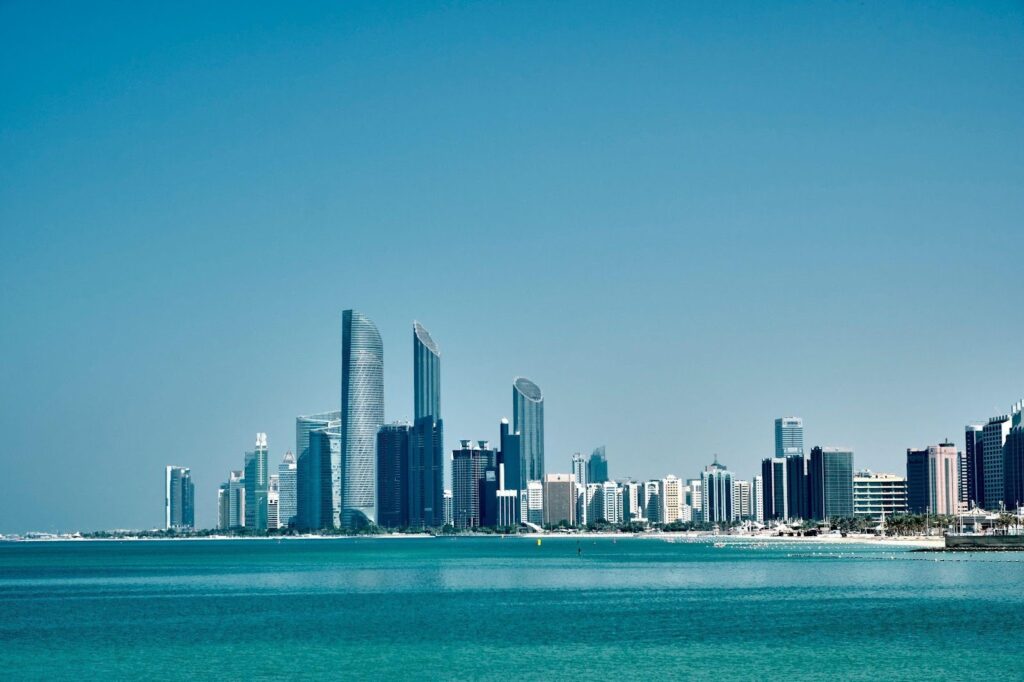
Abu Dhabi’s real estate market is changing fast. Waterfront living has moved from a niche luxury to one of the biggest drivers of market activity across the emirate, and the numbers back it up. According to recent market data, coastal property segments have seen price growth of up to 69% compared to 22% for inland developments. As one of the top real estate companies in Abu Dhabi, LEAD Development has been part of this shift from the beginning.
Founded in 2010, LEAD has shaped over AED 30 billion worth of development, with a focus on building sustainable, liveable communities along Abu Dhabi’s most sought-after coastlines.
Why purchasers and renters are moving to the coast
The demand for waterfront homes in Abu Dhabi is not just a trend. It reflects a real and lasting change in what people want from where they live. Residents want green space, water access, community amenities, and lifestyle appeal.
Rental data from Bayut’s 2025 Abu Dhabi Market Report shows just how strong this demand has become. Luxury apartment rents on Saadiyat Island reached an average of AED 131,000 per year for a one-bedroom unit, up 28.3% year-on-year. On Yas Island, rents for three-bedroom apartments rose by 23% over the same period. Meanwhile, waterfront areas consistently outperform inland locations, with some prime coastal zones commanding a 30% rental premium over comparable mainland properties.
For developers, this means waterfront locations are no longer just a selling point. They are a strategic priority.
What we are doing at LEAD Development
At LEAD Development, our two flagship waterfront projects reflect the direction of the market and our own long-held values. Jubail Island and Hidd Al Saadiyat are both built around the same idea: that premium living and responsible development should go hand in hand.
Jubail Island sits between Yas Island and Saadiyat Island, spread across six residential villages framed by mangroves and over 30 kilometers of pristine waterfront. The island was designed from the ground up as a low-density, nature-first community. Infrastructure decisions were made to protect the natural ecosystem, not just work around it. Residents have access to a 65-berth marina, beach club, kayaking centre, Jubail Mangrove Park, Souk Al Jubail, and the Gordonstoun School, which is set to open in the GCC in late 2026. The first homes were handed over in April 2024, and the community continues to grow.
Hidd Al Saadiyat takes a different approach. Located on Saadiyat Island, it is designed as a high-end coastal destination with smart water and energy management systems, solar-powered hot water infrastructure, and a focus on pedestrian and cycling connectivity. The result is a community that is both refined and resource-efficient.
Developments Across the City
Other major developments across Abu Dhabi’s waterfront zones are adding to the momentum. Each island offers something distinct.
Saadiyat Island is home to the Saadiyat Cultural District, which includes Louvre Abu Dhabi, Berklee Abu Dhabi, Manarat Al Saadiyat, and the recently opened Zayed National Museum. The Guggenheim Abu Dhabi and the Natural History Museum Abu Dhabi are also under development there. This cultural depth has made Saadiyat one of the most desirable addresses in the region, with the strongest property appreciation rates in the city.
Al Maryah Island houses Abu Dhabi Global Market (ADGM), one of the largest international financial centres in the world. Major development plans are transforming the island further, adding luxury residences and waterfront promenades alongside its existing financial infrastructure.
Yas Island continues to attract residents through its entertainment and lifestyle focus. Al Reem Island remains one of the most active rental markets in the city, offering strong yields and rising demand from mid-tier and young professional tenants.
Sustainability is not optional
One of the things that distinguishes how we build at LEAD is our approach to sustainability. It is not a marketing angle. It is built into how every project is designed and managed.
In March 2025, Jubail Island was awarded the Estidama 1 Pearl Certification by the Abu Dhabi Department of Municipalities and Transport. This certification, issued under the Estidama Pearl Community Rating System, recognises the island’s adherence to sustainable design principles, including energy efficiency, water conservation, and environmental responsibility. The Pearl Rating System has been mandatory for all new developments in Abu Dhabi since 2010, covering everything from community-level planning down to individual buildings and villas.
At Jubail Island, sustainability also means active conservation. The project supports mangrove reforestation, with over 350,000 seedlings planted to date as part of a commitment to plant 1 million new mangroves over eight years. Once completed, these trees are expected to capture an additional 1,150 tonnes of carbon dioxide every year.
This work aligns directly with the UAE Green Agenda 2030, a national strategy for building a greener and more resilient economy. LEAD Development has publicly committed to this agenda, ensuring that our projects contribute to Abu Dhabi’s long-term environmental goals, not just meet the minimum requirements.
What 2026 means for waterfront communities
Several key milestones are coming together in 2026 that will shape the next chapter for Abu Dhabi’s waterfront communities.
The Gordonstoun School at Jubail Island is set to debut in the GCC in late 2026, adding significant long-term value to the island community. The Jubail Town Centre construction contract was awarded in September 2024, and work is progressing as part of the island’s ongoing development.
Beyond individual projects, the launch of Etihad Rail’s first passenger services is also planned for 2026. According to Etihad Rail, the network will connect 11 cities and regions across the UAE through a fully integrated national railway system. This will make it easier for residents of Abu Dhabi’s coastal communities to travel across the country, increasing their appeal for professionals who live in one emirate and work in another.
Waterfront communities are setting the standard
The growth of waterfront living in Abu Dhabi is not a short-term spike. It reflects a structural shift in how the city is developing and what residents expect. Communities built around nature, coastal access, amenities, and sustainability are consistently outperforming the wider market.
At LEAD Development, we have been building this kind of community for over a decade. From the mangrove villages of Jubail Island to the smart coastal design of Hidd Al Saadiyat, our projects are designed to hold their value, serve their residents, and contribute to Abu Dhabi’s broader vision for the future. Explore our portfolio and see how we are helping shape what waterfront living in Abu Dhabi looks like.