

If you’ve ever stumbled across the term ‘tharatharaangel’ and thought it sounded like a spell from a fantasy novel, you’re not alone. It indeed holds a treasure trove of meaning and significance that deserves our attention. Now, let’s clear up any confusion and jump into why we should all be paying homage to this vibrant cultural phenomenon.
Tharatharaangel
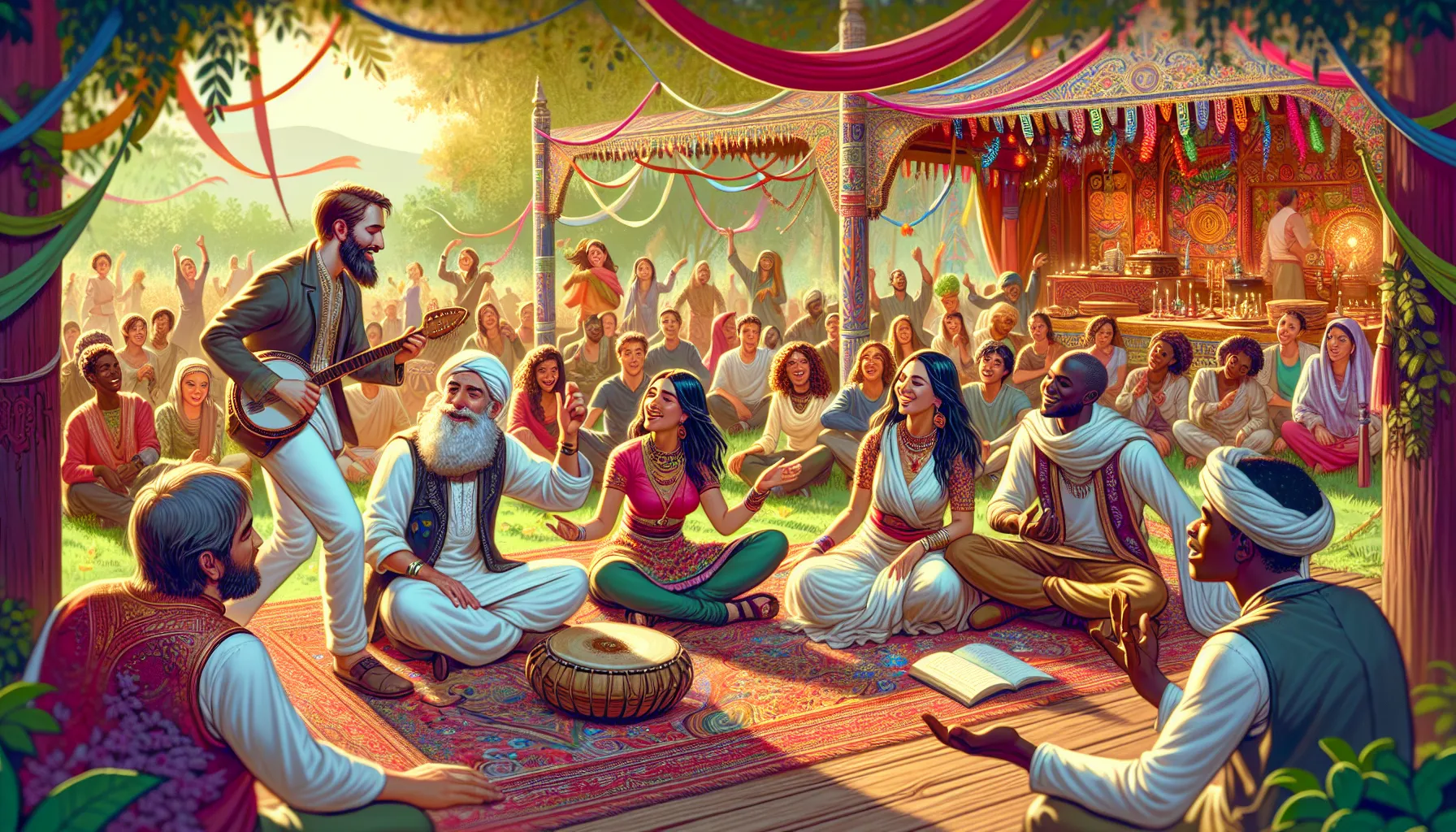
Tharatharaangel stands at the intersection of tradition and community. Often described as a ritual or practice, it invites participants to actively engage with their heritage. At its core, it fosters connection, whether among individuals or communities. When we say ‘tharatharaangel,’ we’re not just referencing an event: we’re invoking a rich tapestry of shared experiences and values that have been passed down through generations.
This multifaceted term encompasses beliefs, practices, and symbols that resonate deeply within the communities that celebrate it. By embracing this concept, we uncover not just the meanings behind it but also the joy it brings to those who share it.
Cultural Significance of Tharatharaangel
The cultural significance of tharatharaangel cannot be overstated. For many, this isn’t merely an event on the calendar: it’s a bridge connecting past, present, and future. It allows us to ponder our identities and reflect on where we come from. In moments of celebration, we can also acknowledge the struggles and triumphs that shape our communities.
Also, participation in tharatharaangel fosters a sense of belonging. It encourages us to gather with friends and neighbors, amplifying our voices as one collective identity. Whether through dance, music, or shared meals, these expressions create bonds I wouldn’t trade for anything.
The Origins of Tharatharaangel
Tracing the origins of tharatharaangel takes us down a fascinating path through time. Historical records point to its roots in ancient customs that celebrated the changing of seasons. Our ancestors employed rituals to ensure bountiful harvests and plenty. Much like a longstanding recipe passed through family generations, these traditions evolved, absorbing new influences while retaining their core essence.
In many ways, we owe it to the cultural warriors who came before us. They preserved this heritage through storytelling, teaching future generations the importance of traditions. Today, we stand on the shoulders of giants, reaping the benefits of their dedication.
Tharatharaangel in Modern Context
In our contemporary world, tharatharaangel has taken on a new life. As globalization connects us all, we see variations of this cultural practice blossoming in multicultural cities. While rooted in tradition, its essence has adapted to modern sensibilities.
Digital platforms allow us to share our stories far and wide. We can find fellow enthusiasts eager to celebrate and reinvent the rituals associated with tharatharaangel. It’s interesting to witness how it remains relevant for younger generations, melding old traditions with new ideas. We often find ourselves on the same dance floors celebrating our heritage, yet expressing it uniquely.
Celebrating Tharatharaangel: Events and Traditions
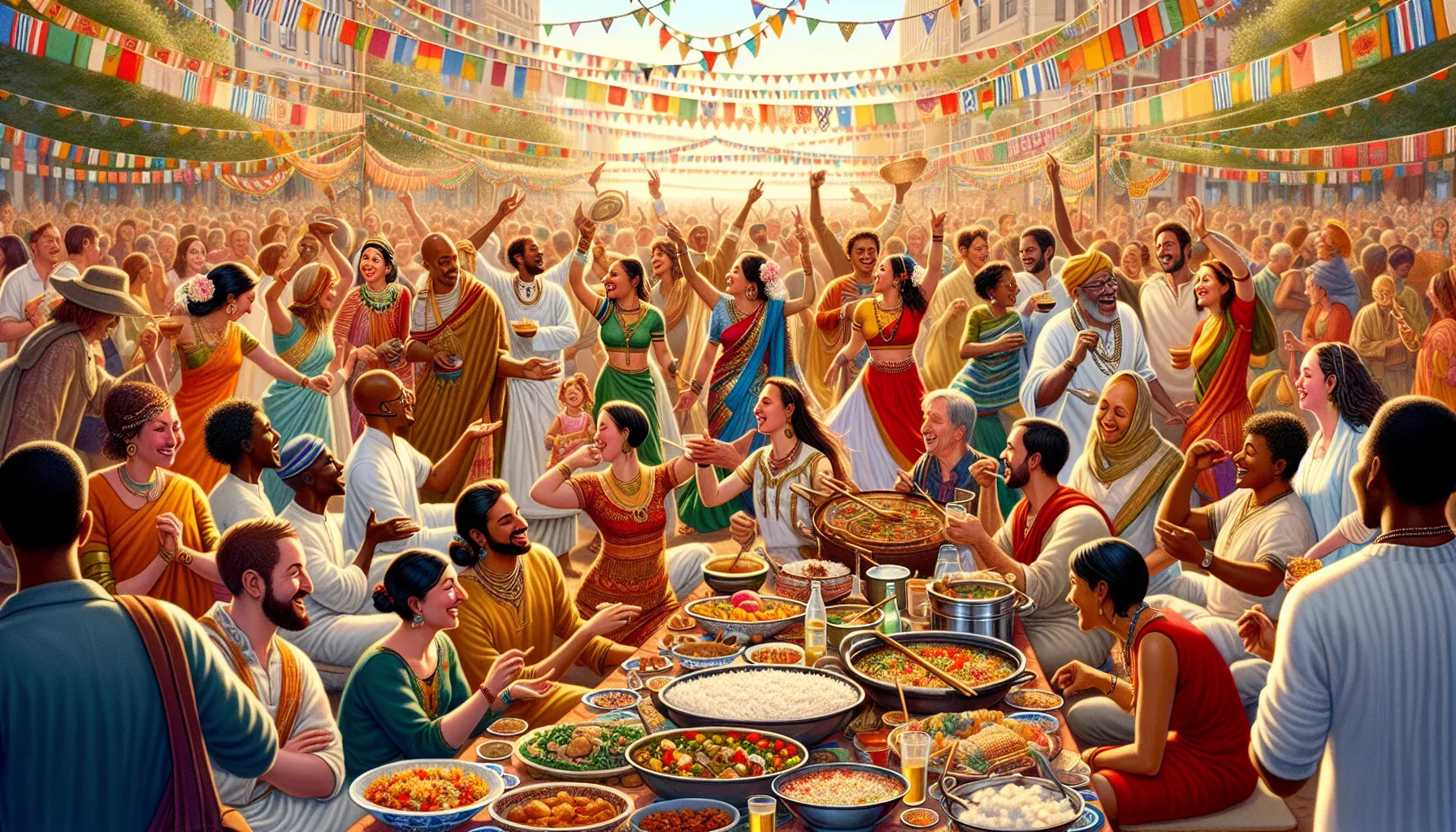
Celebrating tharatharaangel is a joyous occasion replete with traditions. We often gather in vibrant festivals that showcase music, dance, and cuisine, immersing ourselves deeply in the cultural experience. Each event offers a unique opportunity for expression, be it through lively drum circles or culinary masterpieces that pay tribute to our heritage.
In many communities, there are specific rituals associated with these festivities. We recall the communal spirit of potluck meals, where every contribution tells a story, the rice that’s lovingly cooked, the spices that blend traditions, the laughter that fills the air. Such events strengthen our sense of identity while allowing us to honor those who came before us.