

Have you ever stumbled upon a tradition so rich and vibrant that it practically dances off the pages of history? That’s exactly what we find with Vettakarikal. This delightful blend of art, culture, and community spirit is more than just a word: it’s a living testament to our heritage. And let’s face it, who doesn’t love a good story steeped in tradition? Buckle up as we embark on a journey to discover Vettakarikal’s wonders, complete with intriguing tales, cultural significance, and ways we can all get involved.
vettakarikal
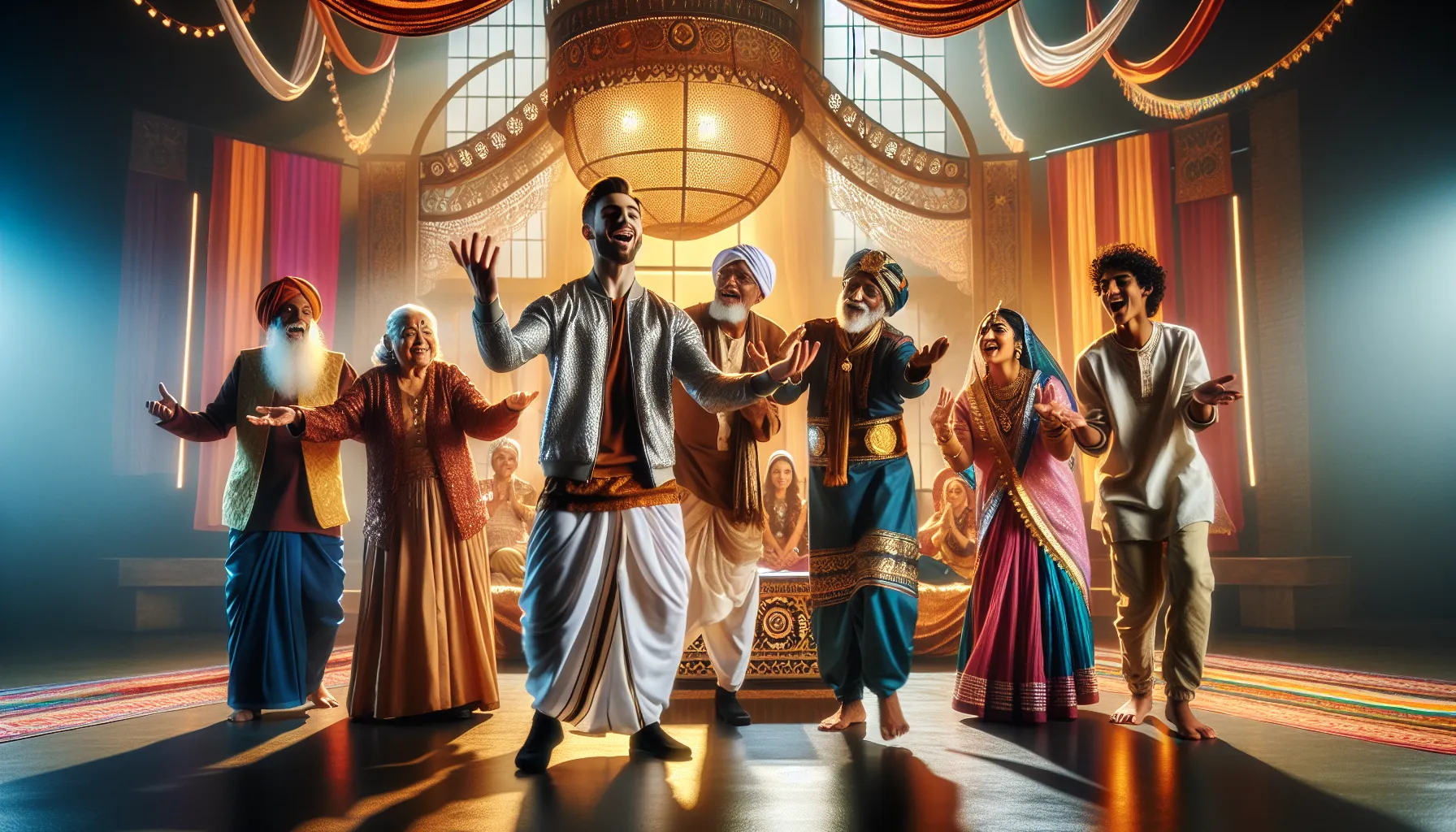
Vettakarikal is an art form that reflects the core of our cultural identity. Rooted deeply in tradition, it involves various performances showcasing storytelling, music, and intricate dances. Each performance acts as a colorful tapestry, weaving together myths, legends, and local history. But wait, it’s not just about entertainment: Vettakarikal embodies the very spirit of community. It encourages participation and interaction, making it a communal celebration that invites everyone, from the young to the elderly, to join the joyous fray.
This unique art form has its safeguards, ensuring that it honors its roots while continuing to evolve. The performers, often donning traditional attire, engage the audience by directly inviting them into their narrative, making each presentation feel personal and impactful.
You might be wondering about the name itself, “Vettakarikal” translates to “hunting techniques” in a literal sense, but the performances are far from primitive. Instead, they embody a rich heritage, showcasing strategies for survival through art and expression.
From chord strikes to dance steps, every element is crafted with precision. As we investigate deeper, we’ll unravel just how crucial Vettakarikal is within our cultural framework.
Historical Significance of Vettakarikal
To understand the historical significance of Vettakarikal, we need to journey back through time. This art form has been passed down through generations, often serving as a form of oral history. Long before tablets and smartphones, our ancestors shared their lives through stories, and Vettakarikal was one of the mainstays of this communication.
Historically, these performances were not just a means of entertainment but served to educate the community about moral values, social norms, and historical events. Imagine gatherings where families congregated under the stars, rapt as tales of bravery and wisdom were shared through dance and music, what a magical sight it must have been.
Besides, Vettakarikal has roots that intertwine with various cultures and beliefs, making it a melting pot of influences. From ancient rituals to modern adaptations, there’s a fusion of styles that reflects the dynamic nature of our society. We can trace its evolution through historical documents, artwork, and elder stories, piecing together a timeline that highlights important cultural shifts. Understanding this historical foundation enriches our experience and appreciation of Vettakarikal.
The Cultural Impact of Vettakarikal
Culturally, Vettakarikal acts as a bridge connecting the past with the present. It encapsulates the essence of our identity, allowing us to celebrate our heritage while fostering community ties. When we attend a Vettakarikal performance, we aren’t merely spectators: we become part of a community narrative that strengthens our bonds.
Another fascinating aspect is the influence it has on contemporary art. Many artists draw inspiration from Vettakarikal, integrating its themes and styles into modern works. This blending keeps the tradition alive and relevant, ensuring that new generations can appreciate its beauty and significance.
Also, Vettakarikal plays a pivotal role in tourism. Travelers are increasingly seeking authentic cultural experiences, and what could be more captivating than witnessing the vibrant display of our heritage? By promoting Vettakarikal, we not only celebrate our traditions but also contribute to the local economy, encouraging a sustainable model of cultural appreciation.
Vettakarikal in Modern Society
While Vettakarikal is steeped in history, it has adapted beautifully to the contemporary landscape. In modern society, we find new avenues for expression. Many artists and cultural groups are innovating while remaining true to the foundational elements of the art form.
Social media, for instance, has emerged as a powerful tool for showcasing Vettakarikal. Clips of performances can go viral overnight, reaching audiences far beyond local boundaries. This digital age provides immense opportunities for collaboration among artists, leading to novel interpretations that intrigue both young audiences and traditionalists alike.
Educational initiatives are also on the rise. Schools are incorporating Vettakarikal into their curricula, urging students to explore their heritage actively and creatively. This new wave of engagement ensures we nurture a respect for tradition even as we embrace modernity.
How to Participate in Vettakarikal Events
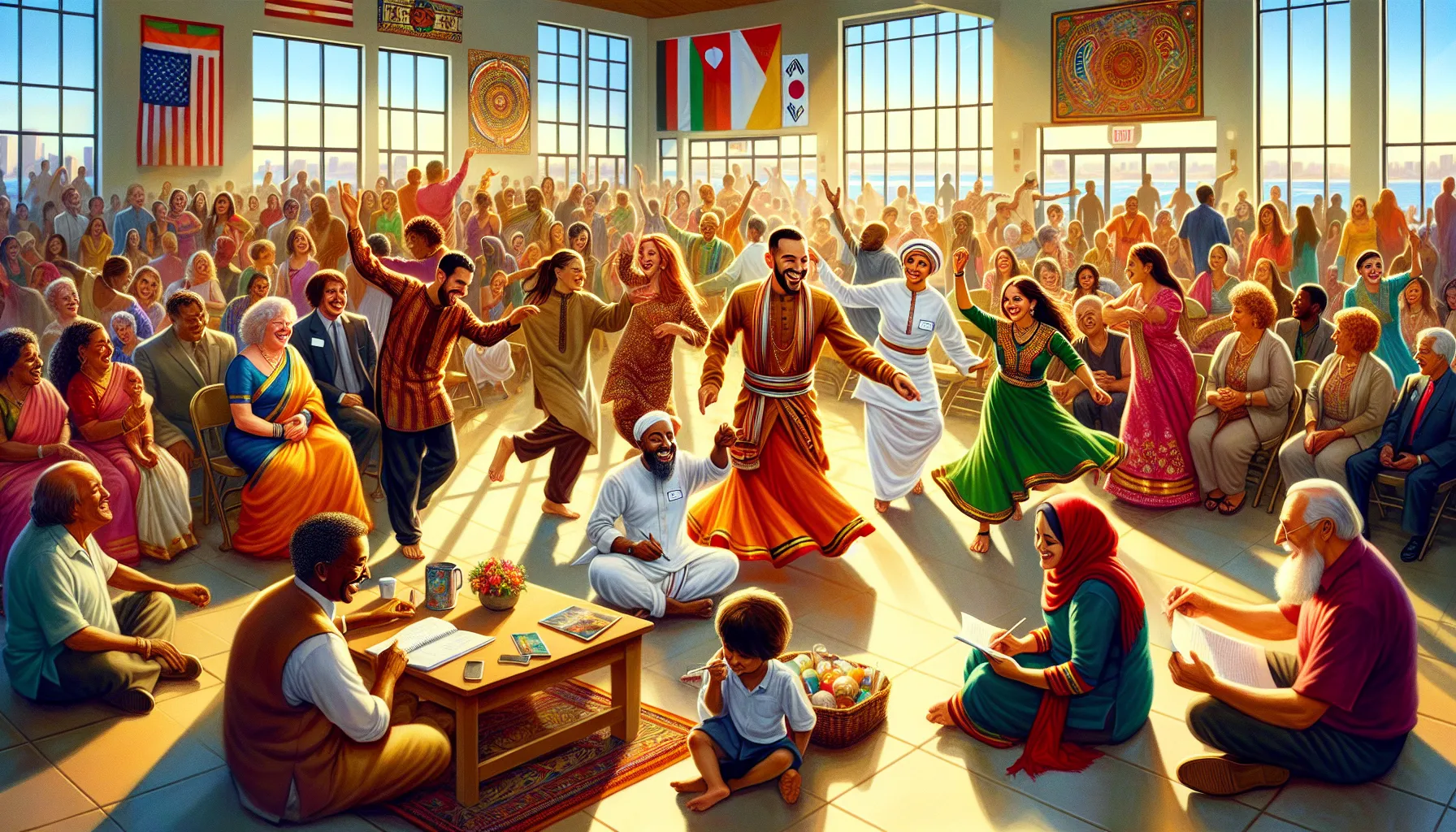
We can’t discuss Vettakarikal without mentioning how you can jump into this vibrant culture yourself. Participating in Vettakarikal events is easier than one might think. Many local communities organize performances, festivals, and workshops throughout the year.
One way to get started is by checking community centers or cultural organizations in your area: they often host events showcasing Vettakarikal. Think of these as perfect opportunities to connect with performers, ask questions, and immerse yourself in the artistry.
Also, consider joining workshops. These can range from learning the basics of Vettakarikal dance to understanding the historical context behind the art form. Workshops provide a hands-on experience, allowing us to appreciate the effort and dedication that go into each performance.
Social platforms are also great resources. Following Vettakarikal groups or pages can keep you updated on upcoming events, performances, and other activities. The more we engage with Vettakarikal, the more enriching our cultural experience becomes.