
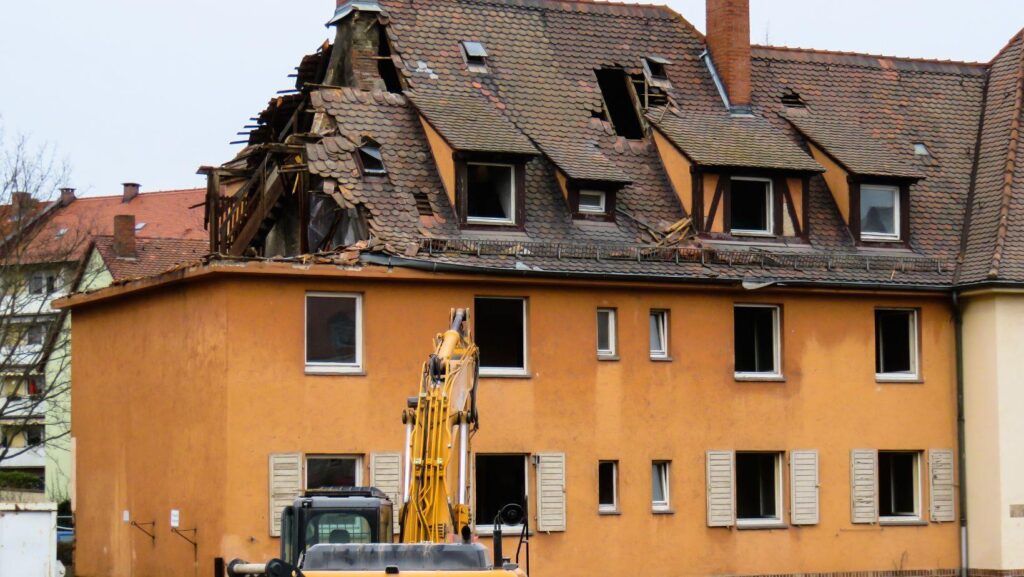
Renovating an older home can be incredibly rewarding. There is something special about taking a house with character and giving it a fresh, comfortable new life. Whether you are opening up the kitchen, updating the bathroom, replacing flooring or creating additional living space, renovations can make an older property feel completely new.
Before the demolition begins, it is worth slowing down and looking carefully at what may be hiding behind those walls, floors and ceilings. Older properties can contain materials and structural issues that are easy to overlook, making a thorough inspection an important first step. This post examines older homes, paying attention to hazardous materials and more.
Older Homes Have More Hidden Surprises
Unlike a newly built property, an older home has usually experienced years of repairs, alterations and general wear. Previous owners may have added rooms, replaced plumbing, installed new electrical systems or covered older materials without completely removing them.
That means what you see on the surface may not tell the whole story. An inspection can uncover outdated wiring, deteriorating plumbing, moisture damage, structural weaknesses or materials that require special handling before renovation work begins. Finding these issues early can also help you prepare a more realistic renovation budget instead of discovering expensive problems halfway through the project.
Pay Attention to Potentially Hazardous Materials
One of the biggest reasons older homes deserve careful inspection is the possibility of hazardous building materials. Asbestos, for example, was historically used in numerous construction products, including insulation, flooring, siding and some ceiling materials. You cannot reliably determine whether a material contains asbestos simply by looking at it.
The concern becomes particularly important when renovation involves cutting, drilling, sanding, scraping or demolishing existing materials. Disturbing certain asbestos-containing materials can release microscopic fibers into the air.
For homeowners planning work on an older property, professional assessment is therefore much safer than guessing. If asbestos exposure has already affected someone in your family or community, resources such as Mesothelioma Hope can provide information about mesothelioma, asbestos exposure and available support.
Look Beyond What Is Visible
A good inspection should go beyond checking whether the paint looks fresh or the floors appear level. Inspectors should consider the property’s major systems and the areas that renovation work could disturb. Depending on the property, this may include:
- Electrical wiring and panels
- Plumbing and drainage
- Roof condition and supporting structures
- Foundations and visible structural components
- Insulation and ventilation
- Signs of water intrusion or mold
- Older flooring, ceilings, walls and insulation
- Previous renovation work
The goal isn’t to make homeowners nervous. It is to give them a clearer picture of what they are actually working with.
Renovation Can Turn Small Problems Into Big Ones
A minor issue that is harmless when left alone can become a much bigger problem once construction starts. Removing a wall, for instance, could reveal moisture damage or unexpectedly affect a structural component.
Pulling up old flooring could expose damaged subflooring or questionable materials.That is why inspections should happen before demolition rather than after the contractor has already started. EPA guidance similarly recommends professional evaluation when renovation could disturb suspected asbestos-containing materials.
Endnote
An inspection may add another step to your renovation schedule, but it can ultimately save time, money and frustration. Knowing about potential problems early gives you the opportunity to adjust your plans, obtain specialist advice and budget appropriately.
Most importantly, it helps you approach your renovation with confidence. Older homes can be wonderful investments and beautiful places to live, but they deserve a little extra attention before the hammer comes out. Taking the time to understand the property’s condition today can make tomorrow’s renovation safer, smoother and much more predictable.