
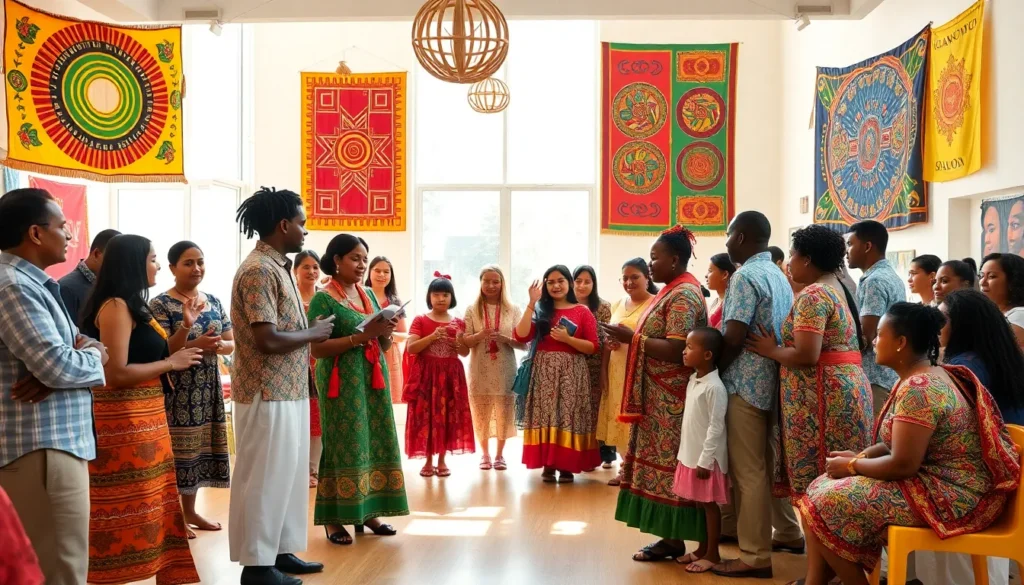
Ever heard of Iganonu? No? Well, you’re not alone. This intriguing term might seem like a name for a mysterious creature from a fantasy novel, but it’s actually a vital part of a fascinating cultural tapestry. As we jump into the origins, cultural significance, and the challenges faced by Iganonu communities, prepare yourself. This topic may not only enlighten you but also inspire a newfound appreciation for traditions that shape our world. Buckle up, as we explore the journey of Iganonu, it’s more thrilling than a rollercoaster ride.
iganonu
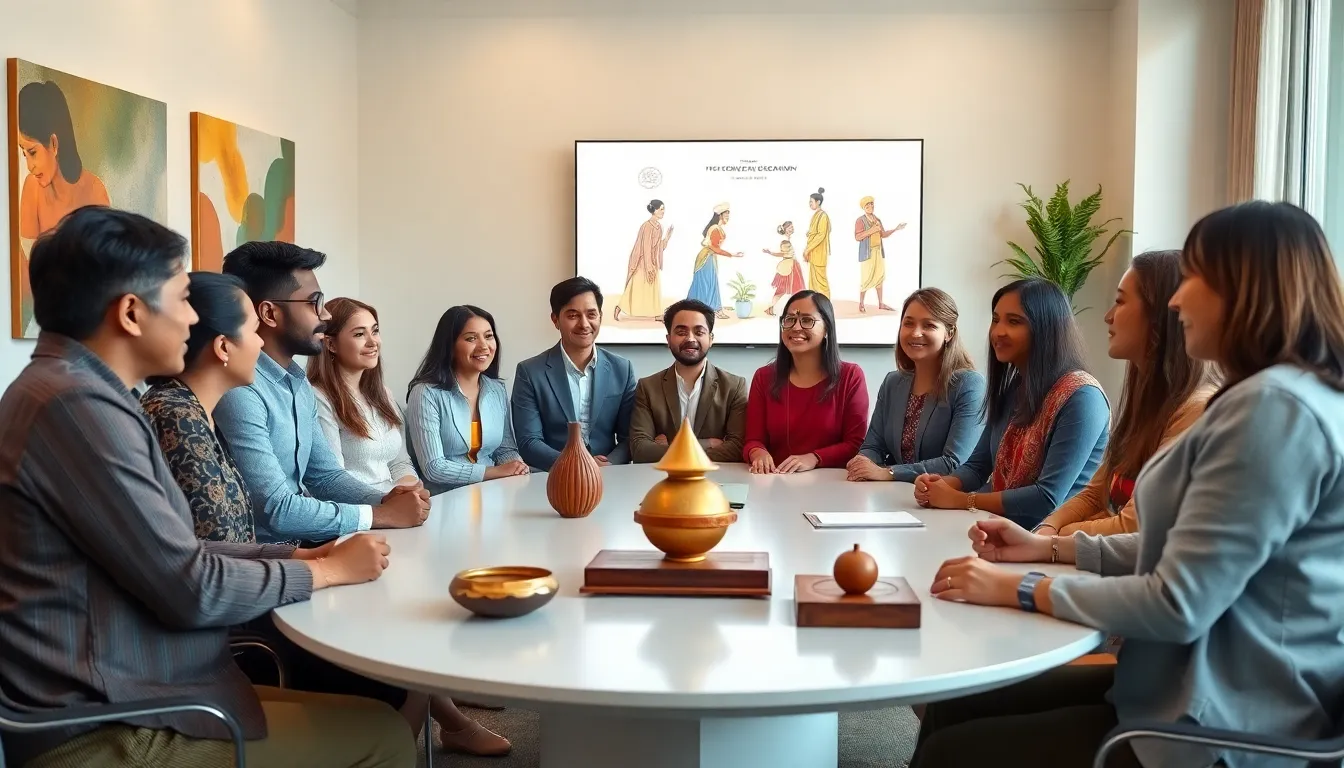
Iganonu, a term steeped in history, serves as a bridge linking the past and the present. It draws its roots from a rich cultural heritage, bringing together ancestral values and wisdom that echo through generations. This term represents more than just a concept: it embodies a way of life for many who practice its teachings. High community involvement characterizes Iganonu’s origins, emphasizing shared values and collective identity.
Interestingly, the significance of Iganonu transcends geographical boundaries. Many communities worldwide have adopted its principles. This charts a path through the intersection of tradition and modernity, showcasing resilience and adaptability across diverse cultures. Learning about Iganonu illuminates the depths of our collective human experience. Its study imparts vital lessons about identity, heritage, and the importance of community.
Cultural Context of Iganonu
To truly grasp Iganonu, one must investigate into its cultural context. This isn’t just a term confined to textbooks: it thrives vividly in everyday life. Depending on the region, practitioners interpret Iganonu uniquely, reflecting local traditions, languages, and beliefs. Some cultures associate it with rituals, while others incorporate it into their social fabric, showcasing its versatility.
For instance, music plays a crucial role in some Iganonu expressions. Through songs and dances, communities preserve stories that hold past wisdom, imparting lessons to younger generations. Also, the communal gatherings associated with Iganonu foster a sense of belonging, a vital aspect of many societies. This environment nurtures collaboration, forging bonds that withstand the test of time. Understanding Iganonu, hence, means appreciating the tapestry woven from various cultural threads.
The Role of Iganonu in Modern Society
In today’s fast-paced world, Iganonu holds a surprising yet crucial role. It offers a refuge from the incessant hustle, advocating for a return to community-oriented values. Many people find themselves drawn to Iganonu practices as a way to cultivate deeper connections. This reflects a collective yearning for meaningful relationships amid digital distractions and superficial interactions.
Also, Iganonu promotes sustainability and respect for nature. By valuing traditional practices, communities draw from the earth with gratitude, nurturing a cycle of reciprocity that benefits all. This not only aligns with contemporary environmental movements but also exemplifies how age-old wisdom can guide modern living. The integration of Iganonu into everyday life demonstrates its relevance, encouraging individuals to embrace simplicity and connectedness.
Iganonu Practices and Traditions
Iganonu practices vary significantly, each reflecting the uniqueness of its community. From festivals celebrating harvests to rituals ensuring communal support, Iganonu traditions are colorful and dynamic. These practices create an engaging experience rooted in shared histories and collective ambitions.
Consider the annual gatherings associated with Iganonu. These events serve as vibrant celebrations, embodying dances, feasts, and storytelling. They invite participation from all age groups, fostering intergenerational bonds and encouraging wisdom transference. Each story shared around a fire enriches the communal experience, uniting individuals under shared narratives.
Also, the spiritual components inherent in Iganonu practices often serve as guidance in moral dilemmas, providing frameworks to navigate complex situations. These traditions cement Iganonu as not just a cultural marker but also a guide for ethical living.
Challenges Faced by Iganonu Communities
Even though its vibrant presence, Iganonu communities face numerous challenges. Globalization impacts local traditions, pushing uniformity that threatens the uniqueness of Iganonu expression. As urbanization and digital culture permeate daily life, the delicate balance between preserving heritage and adapting to change grows increasingly difficult.
Also, external pressures often marginalize these communities, leading to a dilution of their practices. Younger generations may feel torn between embracing modern lifestyles and honoring their cultural roots. This tension presents a dilemma, as individuals navigate the complexities of identity in an interconnected world.
Addressing these challenges requires a collective effort, drawing upon education and advocacy. By fostering awareness and appreciation for Iganonu traditions, communities can cultivate resilience in the face of adversity. This aspect is critical for its survival and evolution.
Future of Iganonu in a Globalized World
Looking ahead, the future of Iganonu hinges on adaptability without losing its essence. As globalization continues to weave its way into the fabric of cultures, Iganonu must find a way to coexist alongside modern influences. This journey will likely lead to innovative interpretations of traditional practices.
For instance, collaboration with technology can bring Iganonu’s teachings to wider audiences. Online platforms can help the sharing of stories and traditions, allowing for preservation and evolution simultaneously. Also, inter-community partnerships can enhance understanding, enabling practitioners to learn from one another while sharing experiences.
So, Iganonu can remain vibrant and relevant, adapting to the ever-changing world while holding onto its core values. With engagement and commitment, Iganonu has the potential not just to survive but to flourish, inspiring generations to come.